Why Pressure Makes Smart People Freeze
Feb 07, 2026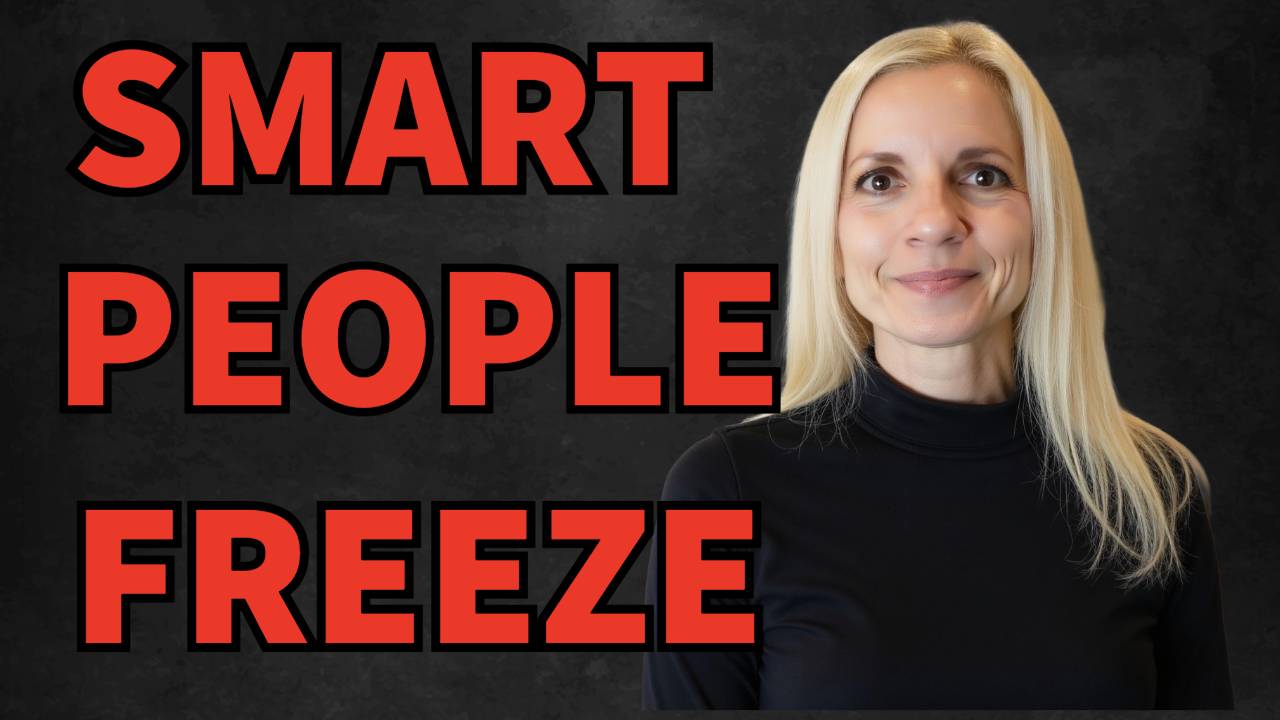
|
Most people assume freezing under pressure means one of three things: |
|||
|
None of that is true. |
|||
|
Pressure doesn’t expose incompetence. |
|||
|
And here’s what most people don’t realize: |
|||
|
Pressure shuts down smart people first. |
|||
|
What’s Actually Happening |
|||
|
When pressure hits— |
|||
|
It asks, “Is this safe?” |
|||
|
Under stress, cortisol and adrenaline surge. |
|||
|
• clear thinking |
|||
|
Research from Harvard shows working memory can drop by up to 50% under acute stress. |
|||
|
Translation? |
|||
|
Your brain stops solving. |
|||
|
That’s when smart, capable people go blank. |
|||
|
Why High Performers Feel This More |
|||
|
High performers rely heavily on cognition. |
|||
|
But cognition is the first system to go offline under pressure. |
|||
|
The American Psychological Association has shown that stress combined with complexity dramatically increases performance errors—especially in communication and decision-making. |
|||
|
So when pressure hits, smart people don’t fail first. |
|||
|
They lose access first. |
|||
|
That’s not weakness. |
|||
|
Why “Just Calm Down” Fails |
|||
|
This is why mindset hacks don’t work in real pressure. |
|||
|
You can’t think your way out of a physiological state. |
|||
|
Behavior changes chemistry faster than thought ever will. |
|||
|
How High Performers Stay Online Under Pressure |
|||
|
High performers don’t eliminate pressure. |
|||
|
Three things make the difference: |
|||
|
1. Pressure Exposure With Regulation |
|||
|
2. Identity Decoupling |
|||
|
When identity is on the line, pressure multiplies. |
|||
|
3. Faster Recovery |
|||
|
The Bottom Line |
|||
|
If pressure has ever made you freeze, |
|||
|
It means your system was never trained for moments like this. |
|||
|
And that’s fixable. |
|||
|
I break this down visually—and show exactly how pressure hijacks smart people—in this week’s video: |
|||
|
Why Pressure Makes Smart People Freeze |
|||
|
|||
|
If this topic resonates, this channel and newsletter are about one thing: |
|||
|
P.S. If you’ve ever thought, “Why do I do great until it really counts?” |
|||
|
That’s the work we do here. |
|||
|
Three things to ALWAYS remember: |
|||
|
Be CONFIDENT! |
|||
|
Be EMPATHETIC! |
|||
|
AND ALWAYS HAVE PASSION!!!! |
|||
|


Check out our FREE eBook, Discipline Made Simple: 5 Proven Steps to Transform Your Life in the next 30 Days
Stay connected with news and updates! Join our mailing list to receive the latest news and updates from our team. Don't worry, your information will not be shared. We hate SPAM. We will never sell your information, for any reason.
