Psychological Safety Is a Lie
Jan 25, 2026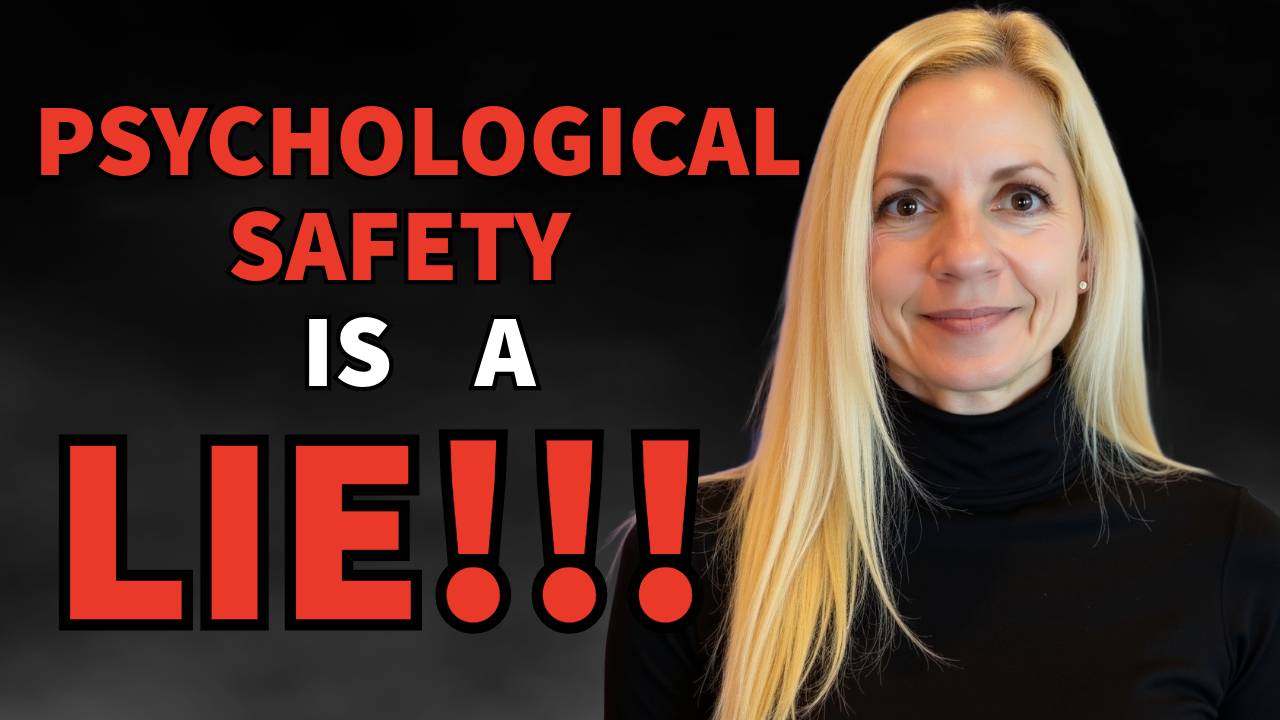
|
Psychological safety is the corporate comfort blanket everyone loves to talk about. |
|||
|
And look…I’m not denying the research exists. |
|||
|
Google’s Project Aristotle famously surfaced psychological safety as the top team dynamic in their effectiveness work. |
|||
|
And Amy Edmondson’s original framing is basically a team climate where people feel safe taking interpersonal risks…asking questions, admitting mistakes, challenging ideas. |
|||
|
Cool! |
|||
|
Now here’s the part that needs to be said our loud… |
|||
|
When pressure hits, “psychological safety” is the first thing to disappear. |
|||
|
Not because everyone is evil. |
|||
|
Deadlines. Power. Politics. Reputation. Money. Ego. |
|||
|
So, no…don’t give me the fantasy that your workplace is “safe.” Not for a New York minute. |
|||
|
The real problem isn’t psychological safety. |
|||
|
The real problem is that many professionals are using it as a crutch. |
|||
|
They’re waiting for the environment to feel safe before they: |
|||
|
|||
|
That’s not strategy. |
|||
|
That’s dependence. |
|||
|
“But psychological safety improves performance…” |
|||
|
Yes, there’s evidence it correlates with good outcomes. Meta-analytic evidence summaries link psychological safety with things like voice, information sharing, learning behaviors, and performance outcomes. |
|||
|
But here’s what the corporate leaders skip… |
|||
|
|||
|
So, let’s say it plainly… |
|||
|
If your ability to perform depends on external safety, you’re not trained. And you are going to get burned!!! |
|||
|
Here’s the mindset shift you need… |
|||
|
Psychological safety is not something you wait for. |
|||
|
It’s something you outgrow…it’s a façade. |
|||
|
Because the goal isn’t “I feel safe.” |
|||
|
That’s Pillar #1. Emotional resilience under pressure. |
|||
|
And yes…this is where people get mad. |
|||
|
You don’t bring your personal self to work. |
|||
|
You bring your professional self. |
|||
|
That doesn’t mean fake. It means regulated. |
|||
|
Because “being yourself” in corporate environments usually becomes a permission slip for: |
|||
|
|||
|
Professionalism is not suppression. |
|||
|
Professionalism is control with standards. |
|||
|
What actually keeps you safe in the moments that matter |
|||
|
Not a culture statement. |
|||
|
Capacity. |
|||
|
Here are 3 “pressure-proof” skills I want you training: |
|||
|
1) Regulated delivery |
|||
|
2) Identity separation |
|||
|
3) Recovery speed |
|||
|
The bottom line is this… |
|||
|
If psychological safety exists in your culture, great! |
|||
|
But don’t rely on it. |
|||
|
Because pressure doesn’t care about what the company “values.” |
|||
|
And a company will use all of these occurrences as behind the scenes notes as to why you are not meeting expectations. |
|||
|
I’ve seen this too many times. |
|||
|
And if you want to be someone who can speak, lead, and hold your ground in rooms that get tense—stop chasing safety… |
|||
|
…and start building internal control. |
|||
|
Because THAT is what companies are looking for! |
|||
|
— Jennifer |
|||
|
|||
|
Three things to ALWAYS remember: |
|||
|
Be CONFIDENT! |
|||
|
Be EMPATHETIC! |
|||
|
AND ALWAYS HAVE PASSION!!!! |
|||
|



Check out our FREE eBook, Discipline Made Simple: 5 Proven Steps to Transform Your Life in the next 30 Days
Stay connected with news and updates! Join our mailing list to receive the latest news and updates from our team. Don't worry, your information will not be shared. We hate SPAM. We will never sell your information, for any reason.
